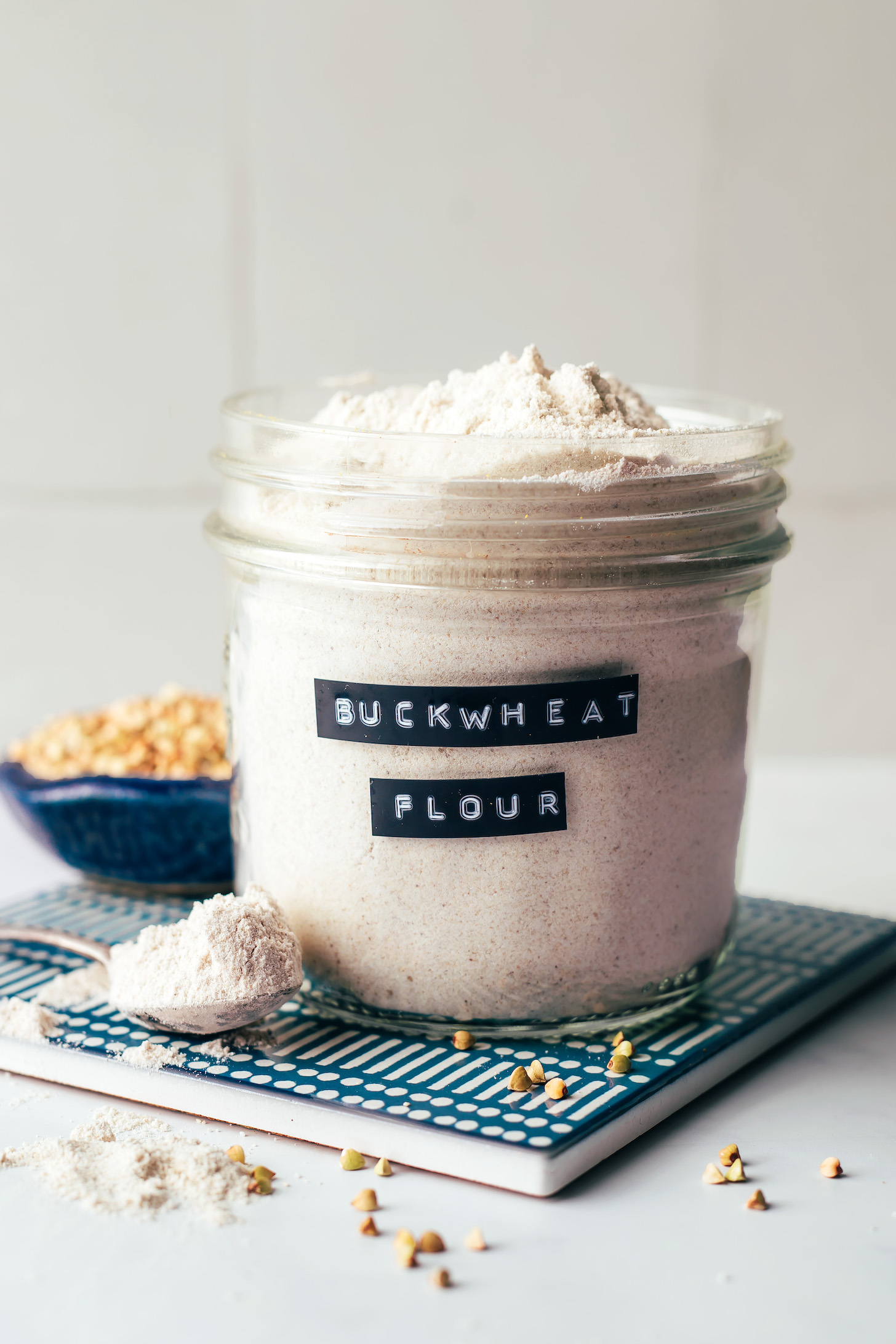
Beyond the Bleached Bag: Why Buckwheat Flour Outshines Refined for Superior Gluten-Free Nutrition
For many home bakers and health-conscious individuals, the quest for truly satisfying and nutritious gluten-free alternatives can often feel like an uphill battle. We've all been there: a recipe promises a light, fluffy gluten-free treat, only to deliver something dense, crumbly, or with an odd aftertaste. The truth is, not all gluten-free flours are created equal, and understanding their unique properties is key to culinary success. But what if we told you that one of the most versatile, nutrient-dense, and delicious gluten-free options isn't just readily available, but also incredibly easy to make right in your own kitchen?
Today, we're diving deep into the world of buckwheat flour – a game-changer for anyone seeking to elevate their gluten-free baking and boost their nutritional intake. We'll explore why this pseudo-grain is a far superior choice compared to conventional refined flours, break down its impressive health benefits, and, most importantly, show you exactly
how to make buckwheat flour from scratch. Prepare to unlock a world of flavor, nutrition, and surprisingly simple homemade goodness!
Buckwheat Flour: A Nutritional Powerhouse and Gluten-Free Hero
When you hear "buckwheat," your mind might jump to wheat, but this humble plant is anything but. Buckwheat is not a true grain; it's classified as a "pseudo-grain," meaning it's used in similar culinary applications to cereals but comes from a different plant family (Polygonaceae, related to rhubarb and sorrel). This distinction is crucial, as it naturally means buckwheat is entirely gluten-free, making it a safe and excellent choice for individuals with celiac disease or gluten sensitivity.
But its gluten-free status is just the beginning of its appeal. Unlike many highly processed gluten-free flours that offer limited nutritional value, buckwheat flour is a veritable treasure trove of essential nutrients:
- High in Plant-Based Protein: Buckwheat contains a complete amino acid profile, a rarity in the plant kingdom, making it an excellent protein source for vegetarians and vegans.
- Rich in Dietary Fiber: Promoting digestive health, aiding in blood sugar control, and contributing to a feeling of fullness, buckwheat's fiber content is significantly higher than refined flours.
- Packed with Vitamins and Minerals: It's a good source of B vitamins (especially niacin, thiamine, and riboflavin), magnesium, phosphorus, iron, manganese, and zinc – all vital for energy production, bone health, and immune function.
- Antioxidant Rich: Buckwheat boasts powerful antioxidants like rutin and quercetin, which help protect the body against free radical damage and reduce inflammation.
When whole buckwheat groats (the hulled seeds) are ground into flour, they retain all these precious nutrients, resulting in a product that's not only delicious with its unique earthy, nutty flavor but also incredibly beneficial for your overall health. This whole-grain nature means that every bite contributes to your well-being, a stark contrast to its refined counterparts.
Refined Flour: The Nutritional Void in Your Pantry
To truly appreciate the bounty of buckwheat flour, it's essential to understand what you're often missing when reaching for a bag of refined flour. Refined flours, commonly labeled as "all-purpose" or "white flour," are derived from wheat grains that have undergone an intensive milling process.
This process involves meticulously stripping away two of the most nutritionally vital components of the wheat kernel: the bran and the germ. The bran, which is the outer layer, is packed with fiber, B vitamins, and antioxidants. The germ, the embryo of the seed, is a powerhouse of healthy fats, B vitamins, vitamin E, and minerals. What remains after this refining process is only the starchy endosperm, which is then often bleached to achieve that familiar white color.
The unfortunate consequence? Refined flour offers virtually no dietary fiber and a drastically reduced content of protein, vitamins, and minerals. While some refined flours are "enriched" with synthetic vitamins and minerals after processing, this still doesn't compare to the comprehensive nutrient profile and natural synergy found in whole grains like buckwheat. Opting for refined flour means sacrificing significant nutritional benefits and often contributing to dishes that are high in empty calories and have a higher glycemic index, leading to quicker spikes in blood sugar.
Mastering the Art: How to Make Buckwheat Flour at Home
The idea of making your own flour might sound intimidating, conjuring images of elaborate machinery or messy processes. But when it comes to buckwheat flour, nothing could be further from the truth! This truly is a "revolution" in home baking, making it incredibly accessible for everyone.
Why Go Homemade?
Making your own buckwheat flour offers several compelling advantages:
- Unbeatable Freshness: Freshly ground flour has a superior flavor and aroma that store-bought simply can't match.
- Cost-Effective: Buying whole buckwheat groats is often more economical than pre-packaged specialty flours.
- Complete Control: You know exactly what's in your flour – just 100% pure buckwheat groats. No anti-caking agents, preservatives, or hidden ingredients.
- Instant Gratification: You only grind what you need, ensuring freshness and preventing waste.
What You'll Need:
- Buckwheat Groats: Look for raw, hulled buckwheat groats. Organic is always a good choice. You can often find them in bulk sections of health food stores or online.
- A High-Speed Blender or Coffee Grinder: This is your key piece of equipment. A powerful blender will yield larger batches, while a coffee grinder is perfect for smaller quantities.
- A Fine-Mesh Sieve (Optional, but Recommended): For a smoother, finer flour.
- An Airtight Container: For proper storage.
Step-by-Step Guide on How to Make Buckwheat Flour:
- Measure Your Groats: Start with the desired amount of buckwheat groats. A general rule of thumb is that 1 cup of whole groats will yield slightly more than 1 cup of flour.
- Grind in Batches: If using a blender, avoid overfilling. Grind about 1-2 cups of groats at a time. For a coffee grinder, smaller batches (1/2 cup) are best.
- Process Until Fine: Blend or grind the groats on high speed until they transform into a fine, flour-like powder. This usually takes anywhere from 30 seconds to 2 minutes, depending on your appliance. Periodically stop and shake the blender/grinder or stir the contents to ensure even grinding. Be careful not to over-process, as the natural oils in the groats can heat up and affect the texture.
- Sift for Uniformity (Optional): For a super-fine flour, especially good for delicate baked goods, run the ground flour through a fine-mesh sieve. Any larger pieces that remain can be re-ground.
- Cool and Store: Allow the freshly ground flour to cool completely before transferring it to an airtight container. This prevents condensation and spoilage.
It's truly that simple! In just about 5 minutes, you can transform humble buckwheat groats into a nutritious, fresh flour ready for all your culinary adventures. For an even more detailed, visual guide to this process, make sure to check out our article:
Make Your Own Buckwheat Flour: Easy 5-Minute Gluten-Free Guide.
Storing Your Homemade Buckwheat Flour
Because buckwheat flour is a whole grain flour and contains natural oils that haven't been stripped away, it can go rancid more quickly than refined flours. Proper storage is key:
- Store in an airtight container in a cool, dark pantry for up to 1-2 months.
- For extended freshness (up to 6 months or longer), store it in the refrigerator or freezer.
Beyond the Basics: Tips for Using Your Homemade Buckwheat Flour
Now that you know
how to make buckwheat flour, it's time to put it to good use! Buckwheat's distinctive earthy and slightly nutty flavor can add incredible depth to your dishes. However, because it lacks gluten, it behaves differently from wheat flour.
- Start with Dedicated Recipes: The easiest way to incorporate buckwheat flour is by using recipes specifically developed for it. Think buckwheat pancakes, crepes (galettes), blinis, soba noodles, or hearty quick breads.
- Combine with Other GF Flours: For more complex baking, like cakes or cookies, buckwheat flour often works best when combined with other gluten-free flours (e.g., rice flour, tapioca starch, potato starch) to achieve a balanced texture and crumb. A good starting ratio might be to substitute up to 25-50% of regular flour with buckwheat flour in a gluten-free blend.
- Adjust Liquid Ratios: Buckwheat flour can absorb liquids differently. Be prepared to slightly adjust the liquid content in recipes, adding more if the batter seems too thick or less if it's too runny.
- Expect a Unique Texture: Buckwheat bakes can be denser and have a slightly coarser crumb than traditional wheat-based items, which is part of their charm! Don't expect the exact same texture as a fluffy white bread.
- Embrace its Flavor Profile: The robust flavor of buckwheat pairs wonderfully with savory ingredients like mushrooms, cheese, and herbs, as well as sweeter notes like apples, cinnamon, and maple syrup.
To truly transform your baking and explore the delicious potential of this homemade ingredient, we encourage you to dive into more recipes and techniques. Discover new possibilities with our article:
Revolutionize Baking: Homemade Buckwheat Flour for Delicious Gluten-Free.
Elevate Your Home Baking and Nutrition
The journey to superior gluten-free nutrition doesn't have to be complicated or expensive. By understanding the profound difference between nutrient-dense buckwheat flour and stripped-down refined flours, you're already making a powerful choice for your health. Learning
how to make buckwheat flour at home is an empowering step, offering unparalleled freshness, control, and a burst of vital nutrients missing from so many processed alternatives. So, ditch the empty calories and embrace the richness of homemade buckwheat – your taste buds and your body will thank you!